
When a headache strikes or a cold tries to ruin the day, many reach for a familiar little white pill: paracetamol. Known as acetaminophen in the U.S., this over-the-counter hero has saved countless people from the clutches of pain and fever. But what exactly is it, and why is it the go-to remedy for so many?
In a world where confusion reigns over medications, paracetamol stands out as the reliable friend everyone needs. It’s like that one buddy who always shows up with snacks at a party—no fuss, no drama, just pure relief. Dive into the world of paracetamol and discover how this simple compound can help you tackle life’s little nuisances, one dose at a time.
Overview of Paracetamol
Paracetamol, recognized as acetaminophen in the United States, serves as an essential over-the-counter medication. This drug primarily alleviates pain and reduces fever, making it popular for everyday ailments like headaches, muscle pain, and colds. Many use paracetamol due to its effectiveness and relative safety profile when taken as directed.
Dosages vary depending on age and weight, with adults typically taking 500 to 1,000 milligrams every four to six hours, not exceeding 4,000 milligrams in a day. Children, on the other hand, require smaller doses based on their body weight. Proper measurement of liquid formulations is crucial for accurate dosing in pediatric use.
Paracetamol acts centrally in the brain to inhibit the production of prostaglandins, chemicals that promote inflammation and pain. This mechanism contributes to its effectiveness as a pain reliever. Research indicates that it is generally well-tolerated, though excessive use can lead to liver damage, particularly among those who consume alcohol frequently.
Various brands offer paracetamol, including Tylenol and other generics. These products come in multiple forms, such as tablets, capsules, and liquid suspensions. Thus, users can choose the form that best suits their preference or needs.
Consulting with healthcare professionals is advisable for individuals with preexisting liver conditions or those on medications that may interact adversely with paracetamol. Awareness regarding the potential risks and proper usage enhances the safety of this widely used medication.
Uses of Paracetamol
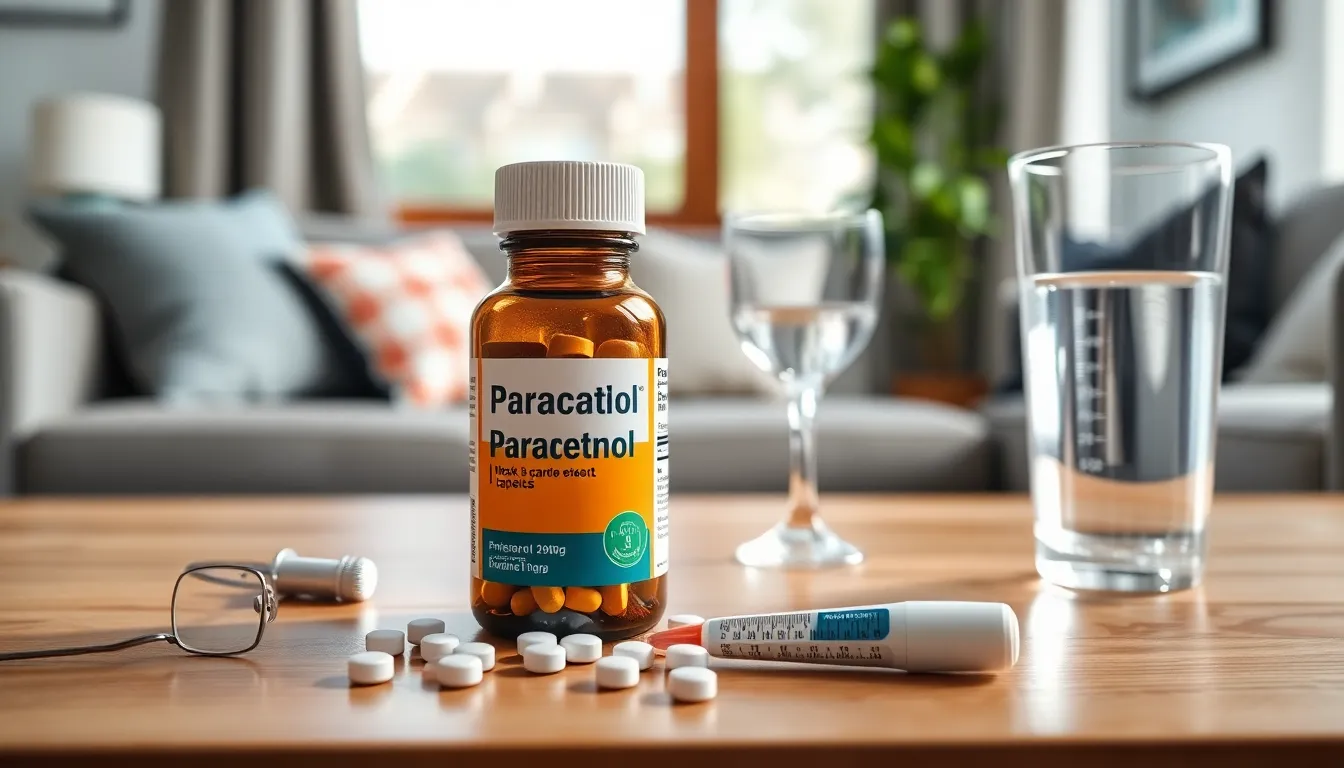
Paracetamol serves as a versatile medication for various health issues. It offers significant relief from discomfort and fever.
Pain Relief
Pain relief ranks as one of the most common uses of paracetamol. Individuals turn to it for managing headaches, toothaches, and muscle pain. Researchers highlight its effectiveness in lowering the perception of pain by acting on the brain’s signaling pathways. Adults commonly take doses between 500 to 1,000 milligrams every four to six hours. Given its soft approach, paracetamol suits those who require a reliable yet non-invasive option for managing everyday discomfort. It’s also essential to monitor total daily intake to prevent risks associated with overdose.
Fever Reduction
Fever reduction constitutes another key application of paracetamol. It works effectively to lower elevated body temperatures caused by infections or illnesses. Medical professionals recommend this medication for both adults and children due to its safe profile at properly adjusted dosages. Typically, paracetamol can decrease fever within half an hour to an hour after ingestion. Its antipyretic effect helps to enhance overall comfort during illness. Those experiencing prolonged fever should consult a healthcare provider to ensure proper diagnosis and treatment.
Paracetamol in Comparison to Other Medications
Paracetamol stands out among pain relievers, notably contrasting with other medications like aspirin and ibuprofen.
Aspirin
Aspirin features anti-inflammatory properties, making it effective for pain and inflammation. It works by inhibiting cyclooxygenase enzymes, thus reducing prostaglandin production. Individuals often use aspirin to relieve headaches, menstrual cramps, and arthritis symptoms. Notably, it may cause stomach irritation or bleeding, especially with long-term use. Unlike paracetamol, aspirin isn’t recommended for children due to the risk of Reye’s syndrome, a rare but serious condition. Many healthcare providers suggest having a discussion before mixing aspirin with other medications, particularly for those on anticoagulants.
Ibuprofen
Ibuprofen, a nonsteroidal anti-inflammatory drug, shares similarities with paracetamol but offers additional anti-inflammatory effects. Additionally, ibuprofen alleviates pain related to conditions such as arthritis, toothaches, and muscle strains effectively. It lowers inflammation levels alongside providing relief from fever. Dosages for ibuprofen vary, typically ranging from 200 to 400 milligrams every four to six hours for adults. It may cause gastrointestinal issues, particularly with prolonged use, highlighting the importance of utilizing it cautiously. Users often benefit from consulting healthcare providers when deciding between paracetamol and ibuprofen, especially for managing chronic pain conditions.
Safety and Side Effects
Paracetamol is generally considered safe when used as directed. However, it’s crucial to adhere to recommended dosages to prevent complications.
Recommended Dosage
Adults usually take 500 to 1,000 milligrams every four to six hours. This dosage shouldn’t exceed 4,000 milligrams within 24 hours. Children’s dosages depend on body weight, often ranging from 10 to 15 milligrams per kilogram every six to eight hours. Careful attention to weight ensures effective and safe administration in younger patients. Some formulations provide specific measuring devices for accuracy. Following package instructions for specific formulations is essential.
Risks of Overdose
Exceeding the maximum dosage leads to serious health risks, mainly liver damage. Symptoms of overdose may include nausea, vomiting, and abdominal pain. Individuals consuming alcohol regularly face an increased risk when overdosing on paracetamol. Medical emergencies often require immediate attention if overdose symptoms manifest. Prompt intervention typically improves outcomes, and healthcare professionals may provide necessary treatment. Awareness of common brand formulations helps prevent accidental overdose, ensuring safe usage.
Availability of Paracetamol in the USA
Paracetamol, known as acetaminophen in the U.S., is widely available over-the-counter. Pharmacies, grocery stores, and online retailers stock various formulations, making it accessible to many. Individuals can find it in tablet, liquid, and dissolvable forms, which cater to different preferences and ages.
Many popular brands offer paracetamol, with Tylenol being the most recognized. These products usually provide clear labeling regarding dosage and age recommendations. It’s essential for consumers to read these guidelines carefully to ensure safe usage.
Pharmacy chains often have dedicated sections for pain relief where paracetamol products prominently feature. For example, CVS and Walgreens carry multiple options, including combination medications addressing other symptoms like coughing or congestion. These combinations serve to simplify treatment for those dealing with colds or flu.
Availability through online platforms caters to those who prefer shopping from home. Websites such as Amazon and Walmart offer delivery options for various paracetamol formulations. Additionally, consumers can benefit from subscription services that provide regular shipments, ensuring they always have this essential medication on hand.
Discount programs frequently accompany paracetamol products, allowing for cost-effective purchasing. Membership loyalty programs at pharmacies often provide discounts, making this medication even more affordable.
Paracetamol’s widespread availability in the U.S. through diverse channels ensures that individuals have convenient access to this essential pain reliever. Emphasizing proper guidance promotes safe and effective usage across all age groups.
Paracetamol stands out as a reliable solution for pain relief and fever reduction in the U.S. Its broad availability and various formulations make it accessible for all age groups. Understanding the proper dosages and potential risks is crucial for safe usage. By following guidelines and consulting healthcare professionals when necessary, individuals can effectively manage their everyday ailments. This trusted medication continues to be a staple in households, offering comfort and relief when it’s needed most.