Upgrading to a new iPhone is like getting a shiny new toy, but transferring all your data can feel like trying to teach a cat to fetch. Luckily, transferring your iPhone to iPhone on Verizon doesn’t have to be a circus act. With a few simple steps, you can make the switch smoother than your favorite playlist.
Understanding the Transfer Process
Transferring data from one iPhone to another is a crucial step when upgrading devices. Many users find the process straightforward, especially when using Verizon.
Importance of Transferring Your Data
Transferring data ensures that contacts, photos, and messages remain accessible on the new iPhone. Losing important information can be frustrating and inconvenient. Keeping app data allows users to pick up right where they left off. This continuity enhances user experience and satisfaction with the new device. Without transferring data, users might find themselves restarting their digital lives, which isn’t ideal.
Common Reasons for Switching iPhones
Upgrading to a newer model often stems from a desire for better features. Many users switch to benefit from improved camera quality, performance enhancements, or extended battery life. Others may opt for a new iPhone due to software updates that support more advanced applications. Some users also change phones to explore different sizes or colors. Choosing a new iPhone may involve wanting the latest technology or specific features that suit personal needs.
Preparing for the Transfer
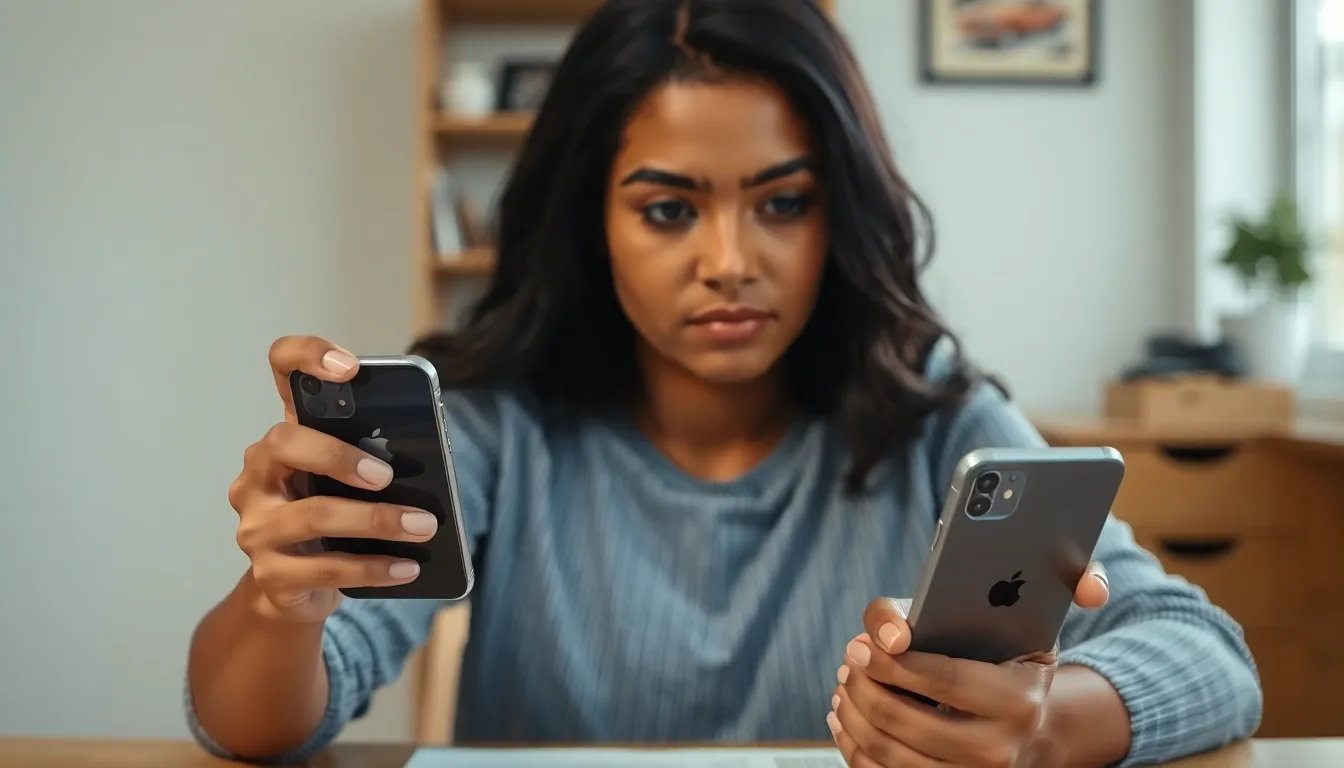
Preparing for a smooth data transfer is crucial when changing from an old iPhone to a new one. Completing a few essential steps ensures all important information transfers without a hitch.
Backing Up Your Old iPhone
Creating a backup of the old iPhone is the first step. iCloud allows users to easily store their data, providing a secure option for contacts, photos, and app data. Users should confirm they have enough iCloud storage. For those who prefer local backups, connecting the device to a computer and using iTunes or Finder works well. Regularly backing up data minimizes the risk of losing valuable content during the transfer.
Ensuring Compatibility with Verizon
Verifying compatibility between the old and new iPhones is essential. Both devices need to support Verizon’s network technology. Users should ensure that the new iPhone is unlocked or compatible with Verizon services. Checking the phone model on Verizon’s website can further clarify any questions regarding compatibility. After confirming compatibility, users can enjoy uninterrupted service and optimal performance on their new device.
Methods to Transfer Data
Transferring data between iPhones can happen smoothly with various methods. Users can select the approach that suits their needs best.
Using Quick Start Feature
Quick Start simplifies the transition process. Place the new iPhone near the old one, and a prompt appears. Users must follow the on-screen instructions to establish a connection. Face ID or Touch ID authentication secures the transfer. This feature migrates most data types such as apps, settings, and messages seamlessly.
Using iCloud for Data Transfer
iCloud offers a secure option for data transfer. Users connect both iPhones to Wi-Fi and sign in with the same Apple ID. Backup the old iPhone by navigating to Settings, selecting your name, then iCloud, and finally Back Up Now. During setup on the new iPhone, users choose Restore from iCloud Backup. All relevant data, including contacts and photos, reappears once the restore process completes.
Using iTunes for Backup and Restore
Using iTunes provides a reliable method for backing up an old iPhone. Connect the device to a computer and open iTunes. After selecting the iPhone icon, click Back Up Now to save the data. Next, connect the new iPhone, choose Restore Backup, and select the most recent backup. This transfers music, videos, and individual app data directly to the new device.
Troubleshooting Transfer Issues
Transferring data between iPhones can sometimes encounter issues. Identifying and resolving these problems ensures a seamless experience.
Connectivity Problems
Connectivity issues often arise during the transfer process. Wireless connections may become unstable, impacting data transfer speed. Using Wi-Fi is crucial for a successful transfer; ensure both devices are connected to a strong network. Bluetooth should also be enabled for Quick Start transfers. Restarting both devices can resolve temporary connectivity hiccups. Additionally, disabling and re-enabling Wi-Fi and Bluetooth often restores a smooth connection. If data transfer remains problematic, one may consider moving closer to the router or switching the connection method.
Data Not Transferring Properly
Data transfer may not function as intended for various reasons. Incomplete backups often result in missing contacts, photos, or apps. Verifying that the backup completed successfully through iCloud or iTunes is essential. Corrupt data files can also interrupt the process, necessitating a fresh backup attempt. When using Quick Start, ensuring both devices run the latest iOS version prevents compatibility issues. If specific data types fail to transfer, checking app permissions often resolves underlying conflicts. Adjusting settings on either device may also streamline data accessibility during the process.
Final Steps After the Transfer
After completing the data transfer, several final steps ensure everything is set up correctly.
Verifying Data Integrity
Check that all important information has transferred successfully. Review contacts, messages, and photos to confirm they appear as expected. Making a phone call or sending a message can help verify functionality. If some data seems missing, revisit the backup to identify any issues. Restoring from iCloud or iTunes again may be necessary if problems persist. Keeping a checklist for key items can prevent overlooking essential data.
Setting Up New Device Preferences
Customize settings on the new iPhone to suit personal preferences. Adjust notification settings, privacy options, and location services to enhance usability. Arrange apps in a way that makes daily use easier. Configure display preferences, such as brightness and text size, to improve comfort. Familiarizing oneself with new features helps maximize the iPhone’s capabilities. Syncing accounts like email and social media adds convenience for ongoing use.
Transferring data from one iPhone to another on Verizon can be a seamless experience when users follow the right steps. With the right preparation and methods in place, they can easily move their important information without hassle. Ensuring data integrity after the transfer is crucial for a smooth transition. Customizing settings on the new device allows users to enjoy their upgraded iPhone to the fullest. Embracing new features and capabilities enhances their overall experience. By taking the time to properly transfer data, users can unlock the full potential of their new iPhone and enjoy all the benefits it has to offer.