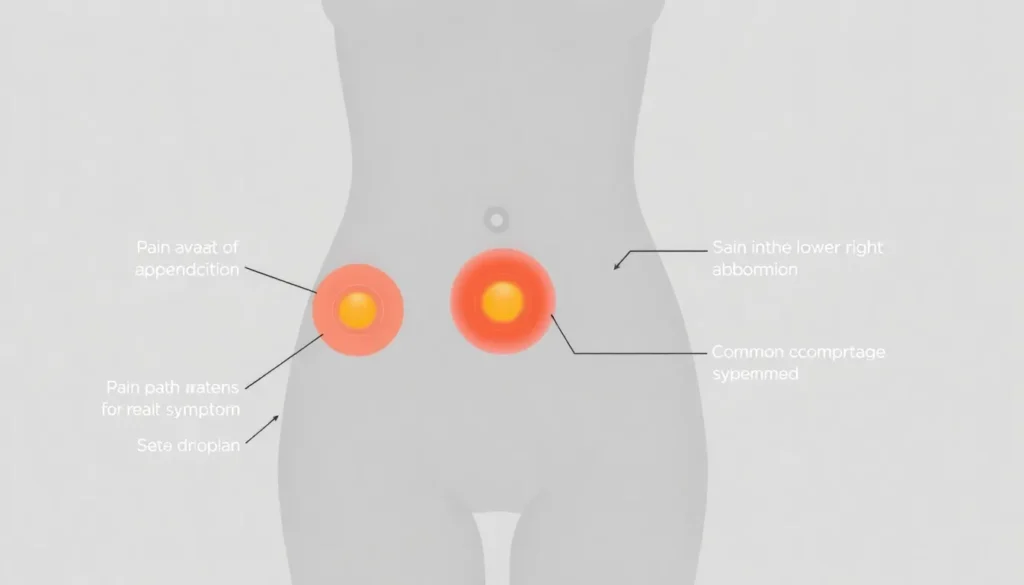
Appendicitis can strike when least expected, and for women, pinpointing that pesky pain can feel like an Olympic sport. With symptoms often masquerading as common discomfort, understanding where the pain lurks is crucial. Imagine trying to locate a hidden treasure—only this time, the treasure is your health, and the map is a diagram of appendicitis pain locations.
Understanding Appendicitis
Appendicitis refers to inflammation of the appendix, often leading to acute abdominal pain. Common symptoms include pain located in the lower right abdomen, but it can also present differently in women. Men and women may experience variations in how this pain manifests due to anatomical differences and reproductive organs.
Identifying the pain location can significantly aid in recognizing appendicitis. Typically, the pain starts around the navel before shifting to the lower right quadrant. Pain may become sharper and more localized over time, indicating a worsening condition. Nausea, vomiting, and loss of appetite often accompany this pain, adding to the discomfort.
Women may mistakenly attribute abdominal pain to menstrual cramps or other conditions, complicating the diagnosis. A detailed understanding of pain location can help differentiate appendicitis from these other potential issues. For example, pain that intensifies with movement or during deep breathing can signal appendicitis.
Palpation of the abdomen can also reveal tenderness in areas indicative of appendicitis. The rebound tenderness test may elicit increased pain, further supporting the diagnosis. Recognizing these signs early increases the chances for timely medical intervention, critical in preventing complications such as rupture.
Awareness of the symptoms and their precise locations can lead to prompt treatment. Women experiencing persistent or severe abdominal pain should seek medical advice immediately, especially if accompanied by fever or chills. A timely diagnosis can significantly influence recovery and overall health outcomes.
Symptoms of Appendicitis

Identifying appendicitis symptoms can prove challenging for women due to overlapping signs with other issues. Recognizing these symptoms helps ensure timely medical intervention.
Common Symptoms in Women
Pain typically starts near the navel and moves to the lower right abdomen, often intensifying. Nausea often accompanies the pain, leaving women feeling unsettled. Loss of appetite usually follows, making it difficult to eat. Fever sometimes occurs, signaling a potential infection. Additional symptoms may include changes in bowel habits, such as constipation or diarrhea.
Unique Symptoms in Women
Women may experience unique symptoms due to menstrual cycles or reproductive anatomy. Some report pelvic pain, which can confuse the diagnosis with other gynecological conditions. Pressure and discomfort may arise in the lower abdomen, contributing to misinterpretation as menstrual cramps. Other symptoms include urinary issues, like frequent urination or burning during urination. Emotional symptoms, such as anxiety or irritability, might also surface in response to physical discomfort.
Pain Location in Appendicitis
Identifying pain locations during appendicitis is essential for an accurate diagnosis. The pain often begins near the navel and migrates to the lower right abdomen.
Diagram Explanation
A pain location diagram illustrates these critical areas. Typically, the initial discomfort appears in the periumbilical region. Subsequently, as inflammation progresses, the pain localizes in the right lower quadrant. This visual representation aids in understanding the transition of pain, crucial for both patients and healthcare providers. It emphasizes that the pain can be sharp and may vary based on the individual’s anatomy.
Pain Progression
Pain progression in appendicitis follows a specific pattern. Initially, the discomfort may feel dull and intermittent. As the inflammation worsens, patients often experience sharp, localized pain in the lower right abdomen. Accompanying symptoms such as nausea, vomiting, and fever frequently intensify during this phase. Women might also notice additional pelvic symptoms, complicating the overall pain pattern. Understanding this progression can effectively guide individuals to seek timely medical intervention.
Diagnosis of Appendicitis
Diagnosing appendicitis requires a thorough understanding of symptoms and effective medical evaluation. Women often experience varied symptoms, so recognizing these nuances plays a vital role.
Diagnostic Procedures
Doctors often initiate the diagnosis of appendicitis with a physical examination. They assess pain locations, emphasizing tenderness in the lower right abdomen. Imaging techniques like ultrasounds and CT scans provide clearer insights, revealing potential inflammation. Blood tests can identify infection through elevated white blood cell counts. Each diagnostic step contributes to an accurate assessment of the patient’s condition.
Importance of Early Detection
Early detection of appendicitis significantly reduces the risk of complications. Timely intervention often prevents appendiceal rupture, which can lead to serious health issues. Awareness of symptoms encourages seeking medical advice proactively, particularly with consistent abdominal pain. Women should not dismiss unusual symptoms attributed to menstrual cycles, as overlooking signs may delay treatment. Quick action promotes better outcomes, enhancing recovery chances and minimizing hospital stays.
Treatment Options
Effective treatment for appendicitis typically involves surgical intervention.
Surgical Intervention
Surgery, known as an appendectomy, often serves as the primary treatment for appendicitis. Doctors may perform this procedure using traditional open surgery or minimally invasive techniques, such as laparoscopy. Open surgery involves a larger incision in the abdomen, while laparoscopy requires several small incisions and utilizes a camera for guidance. Each method has benefits, including shorter recovery times associated with laparoscopic surgery. It’s essential for women to discuss options with their healthcare provider to choose the most appropriate approach based on individual circumstances.
Recovery Process
Recovery from an appendectomy generally varies based on the surgical method used. Those undergoing laparoscopic surgery typically experience faster recovery with fewer complications compared to open surgery. Most patients can return to normal activities within a week, while open surgery might require up to two weeks for adequate healing. Pain management involves over-the-counter medications or prescriptions from the doctor. Monitoring for signs of infection, such as increased redness or swelling at the incision site, remains vital. Following post-operative instructions helps ensure a smoother recovery process and minimizes the risk of complications.
Understanding the location and characteristics of appendicitis pain is essential for women. Recognizing the distinct symptoms and how they can differ from typical discomfort can lead to timely medical intervention. The importance of seeking help for unusual abdominal pain cannot be overstated, especially when accompanied by other symptoms like fever or nausea.
Women should be aware of the potential for misattributing appendicitis pain to menstrual issues or other conditions. Being proactive in discussing symptoms with healthcare providers can significantly improve outcomes and reduce the risk of complications. By staying informed and attentive to their bodies, women can navigate the challenges of diagnosing appendicitis more effectively.